

Understanding the Core Elements of Modern Construction
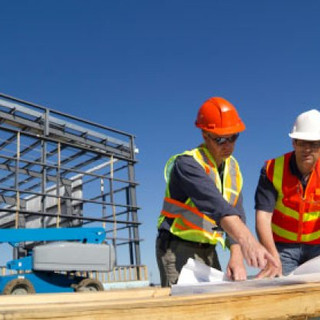
Modern construction is a dynamic field that combines traditional building techniques with innovative technologies and sustainable practices. It plays a crucial role in shaping the environments where we live, work, and play. To truly grasp the essence of modern construction, it is important to explore its core elements, from materials and methods to project management and safety standards. This article will guide you through these essential components, providing practical insights and examples to help you understand how modern construction projects come to life.
The Evolution and Importance of Modern Construction
Modern construction has evolved significantly over the past few decades. Advances in technology, materials, and design have transformed how buildings and infrastructure are planned and executed. Today, construction projects are more efficient, sustainable, and resilient than ever before.
One key aspect of modern construction is the integration of digital tools such as Building Information Modeling (BIM). BIM allows architects, engineers, and contractors to collaborate in a virtual environment, reducing errors and improving project outcomes. For example, a commercial office building project can use BIM to simulate structural integrity and energy efficiency before breaking ground.
Another important factor is the emphasis on sustainability. Modern construction often incorporates green building materials, energy-efficient systems, and waste reduction strategies. This not only benefits the environment but also reduces long-term operational costs for building owners.

Key Components of Modern Construction
Understanding the core components of modern construction helps clarify how projects are successfully completed. These components include:
1. Materials
Modern construction materials have advanced beyond traditional wood, brick, and concrete. Today, builders use high-performance materials such as:
Engineered wood products: Stronger and more sustainable than traditional lumber.
High-strength concrete: Designed to withstand greater loads and environmental stress.
Composite materials: Combining different substances to enhance durability and reduce weight.
Recycled materials: Incorporating waste products to minimize environmental impact.
For example, a residential building might use insulated concrete forms (ICFs) to improve energy efficiency and soundproofing.
2. Construction Methods
Modern construction methods focus on speed, safety, and quality. Some popular methods include:
Modular construction: Prefabricated sections are built off-site and assembled on-site, reducing construction time.
Lean construction: Emphasizes waste reduction and continuous improvement throughout the project lifecycle.
3D printing: Emerging technology that can create building components or even entire structures layer by layer.
Using modular construction, a hospital can be built faster and with less disruption to the surrounding community.
3. Project Management
Effective project management is critical to modern construction success. It involves:
Scheduling and resource allocation
Budget control
Risk management
Communication among stakeholders
Digital project management tools help teams track progress and address issues promptly, ensuring projects stay on time and within budget.
4. Safety Standards
Safety is a top priority in modern construction. Compliance with regulations and the use of protective equipment reduce accidents and injuries. Training programs and safety audits are standard practices on construction sites.

What are the 4 types of construction work?
Construction work can be broadly categorized into four types, each with distinct characteristics and requirements:
1. Residential Construction
This type involves building homes, apartments, and other living spaces. It focuses on comfort, aesthetics, and functionality. Modern residential construction often includes energy-efficient designs and smart home technologies.
2. Commercial Construction
Commercial projects include office buildings, shopping centers, hotels, and warehouses. These structures require careful planning for large-scale occupancy, safety, and accessibility.
3. Industrial Construction
Industrial construction covers factories, power plants, and manufacturing facilities. It demands specialized knowledge of machinery, heavy equipment, and compliance with strict safety and environmental standards.
4. Infrastructure Construction
Infrastructure projects involve roads, bridges, tunnels, and utilities. These are essential for public services and economic development. Modern infrastructure construction often incorporates durable materials and innovative engineering solutions.
Each type of construction work requires tailored approaches to design, materials, and project management to meet specific goals and regulations.
The Role of Technology in Modern Construction
Technology is a driving force behind the advancements in modern construction. It enhances efficiency, accuracy, and safety across all phases of a project.
Digital Tools and Software
Building Information Modeling (BIM): Facilitates collaboration and visualization.
Drones: Provide aerial site surveys and progress monitoring.
Augmented Reality (AR): Helps workers visualize plans on-site.
Robotics and Automation: Perform repetitive or hazardous tasks.
Sustainable Technologies
Solar panels and energy-efficient HVAC systems: Reduce environmental impact.
Smart sensors: Monitor structural health and energy use.
Green roofs and rainwater harvesting: Improve building sustainability.
By integrating these technologies, construction companies can deliver higher quality projects faster and with less waste.

Best Practices for Successful Modern Construction Projects
To ensure success in modern construction, consider the following best practices:
Early Planning and Design
Engage all stakeholders early to define clear goals and expectations.
Use of Advanced Materials and Methods
Select materials and construction techniques that enhance durability and sustainability.
Effective Communication
Maintain open lines of communication among architects, engineers, contractors, and clients.
Safety First
Implement rigorous safety protocols and training programs.
Continuous Monitoring and Quality Control
Use technology to track progress and quality throughout the project.
Sustainability Focus
Incorporate eco-friendly practices to reduce environmental impact and operational costs.
By following these guidelines, construction projects can achieve better outcomes, from residential homes to large-scale infrastructure.
Embracing the Future of Construction
The future of modern construction is bright, with ongoing innovations promising even greater efficiency, sustainability, and safety. Emerging trends such as smart buildings, artificial intelligence, and advanced materials will continue to reshape the industry.
For those involved in construction and infrastructure, staying informed about these developments is essential. Embracing new technologies and best practices will help meet the growing demands of urbanization and environmental responsibility.
Modern construction is not just about building structures - it is about creating resilient, sustainable environments that improve quality of life for generations to come.


Comments