

Expert Tips for Successful Construction Project Management
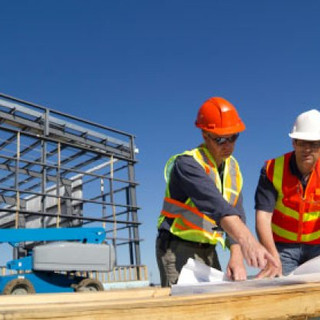
Managing a construction project can be a complex and challenging task. From coordinating teams to managing budgets and timelines, every detail matters. Successful construction project management requires a strategic approach, clear communication, and effective problem-solving skills. This article provides expert tips to help you navigate the complexities of construction projects and deliver outstanding results.
Understanding the Fundamentals of Construction Project Management
Construction project management involves planning, coordinating, and controlling a project from inception to completion. The goal is to meet client expectations while staying within budget and on schedule. To achieve this, project managers must focus on several key areas:
Planning and Scheduling: Develop a detailed project plan that outlines tasks, deadlines, and resource allocation. Use tools like Gantt charts or project management software to visualize timelines.
Budget Management: Track expenses carefully and anticipate potential cost overruns. Establish contingency funds to handle unexpected costs.
Risk Management: Identify potential risks early and create mitigation strategies. This includes safety hazards, supply chain delays, and weather conditions.
Communication: Maintain open lines of communication with all stakeholders, including contractors, suppliers, and clients. Regular updates help prevent misunderstandings and keep everyone aligned.
By mastering these fundamentals, you lay a strong foundation for project success.

Effective Project Management Techniques for Construction
To excel in construction project management, adopting proven techniques is essential. Here are some practical methods to enhance your project’s efficiency and quality:
1. Use Technology to Your Advantage
Modern construction projects benefit greatly from technology. Project management software like Procore, Buildertrend, or Microsoft Project can streamline scheduling, budgeting, and communication. Drones and 3D modeling tools provide real-time site data and improve accuracy in planning.
2. Implement Lean Construction Principles
Lean construction focuses on minimizing waste and maximizing value. This approach encourages continuous improvement, efficient resource use, and better collaboration among teams. Techniques such as Just-In-Time delivery reduce inventory costs and prevent delays.
3. Foster Strong Team Collaboration
Successful projects depend on teamwork. Encourage regular meetings and use collaboration platforms like Slack or Microsoft Teams to keep everyone informed. Clear roles and responsibilities reduce confusion and improve accountability.
4. Monitor Progress Closely
Track project milestones and key performance indicators (KPIs) regularly. Use dashboards to visualize progress and identify bottlenecks early. This proactive approach allows for timely adjustments and keeps the project on track.
5. Prioritize Safety and Compliance
Ensure all safety regulations and building codes are strictly followed. Conduct regular safety training and site inspections. A safe work environment reduces accidents and project interruptions.
By integrating these techniques, project managers can improve efficiency, reduce risks, and deliver high-quality results.

Key Strategies for Budget and Resource Management
Managing budgets and resources effectively is critical in construction project management. Overspending or resource shortages can derail even the best-planned projects. Here are some strategies to keep your project financially and operationally sound:
Detailed Cost Estimation
Start with a comprehensive cost estimate that includes labor, materials, equipment, permits, and contingencies. Use historical data and consult with suppliers to ensure accuracy.
Regular Financial Tracking
Monitor expenses against the budget continuously. Use accounting software integrated with your project management tools to get real-time financial insights.
Optimize Resource Allocation
Assign resources based on project priorities and availability. Avoid overloading teams or equipment, which can cause delays and increase costs.
Negotiate with Suppliers and Contractors
Build strong relationships with suppliers and subcontractors. Negotiate favorable terms and bulk discounts to reduce costs.
Plan for Contingencies
Set aside a contingency fund to cover unexpected expenses such as material price increases or weather-related delays.
By applying these strategies, you can maintain control over your project’s financial health and resource utilization.

Communication and Stakeholder Management in Construction Projects
Effective communication is the backbone of successful construction project management. Managing stakeholders’ expectations and keeping everyone informed reduces conflicts and promotes collaboration.
Establish Clear Communication Channels
Define how and when communication will occur. Use emails, meetings, reports, and digital platforms to share updates and gather feedback.
Set Expectations Early
Clarify project goals, timelines, and responsibilities with all stakeholders at the start. This alignment prevents misunderstandings later.
Provide Regular Progress Reports
Keep clients and team members informed with weekly or bi-weekly progress reports. Include updates on milestones, budget status, and any issues encountered.
Address Issues Promptly
When problems arise, communicate them immediately along with proposed solutions. Transparency builds trust and facilitates problem-solving.
Engage Stakeholders in Decision-Making
Involve key stakeholders in major decisions to ensure their needs and concerns are addressed. This collaborative approach improves project outcomes.
Strong communication and stakeholder management help maintain project momentum and foster positive relationships.
Enhancing Project Outcomes with Expert Support
Sometimes, bringing in expert support can make a significant difference in project success. Experienced consultants, specialized contractors, or project management firms can provide valuable insights and resources.
For example, partnering with a reputable company like allpro construction inc can offer access to skilled professionals and proven project management methodologies. Their expertise can help navigate complex challenges and ensure compliance with industry standards.
Outsourcing certain tasks or seeking expert advice can save time, reduce risks, and improve overall project quality.
Building a Culture of Continuous Improvement
Successful construction project management is not just about completing one project well - it’s about learning and improving with each project. Encourage a culture of continuous improvement by:
Conducting post-project reviews to identify lessons learned.
Soliciting feedback from team members and clients.
Implementing process improvements based on insights gained.
Investing in ongoing training and professional development.
This mindset helps teams adapt to changing conditions and consistently deliver better results.
By applying these expert tips, you can enhance your construction project management skills and lead projects to successful completion. Whether you are managing a small renovation or a large-scale build, careful planning, effective communication, and strategic resource management are key to achieving your goals.


Nice article, the topic is explained clearly and is very informative for industry professionals. I recently came across Pali Project Management while searching for a Construction Project Management Company and found their website helpful.