

Construction Trends Shaping Communities in Coastal Cities
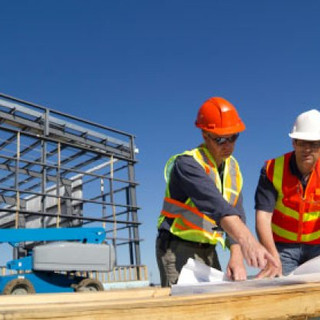
Coastal cities are fascinating and vibrant places, drawing people for their beauty, culture, and proximity to the ocean. However, their unique geography and environment present specific challenges and opportunities for construction and urban development. Modern trends are emerging that aim to not only address these challenges but also enhance the livability and sustainability of coastal communities. In this blog post, we will explore the latest trends in coastal construction and how they are shaping our cities.
Innovations in Coastal Construction
Coastal construction today emphasizes innovative solutions to mitigate environmental risks while creating appealing spaces for residents and visitors alike. This includes the use of advanced building materials that resist corrosion from saltwater exposure and adapts to rising sea levels.
Sustainable Building Materials
One of the key trends in coastal construction is the increasing use of sustainable materials. Builders and architects are now incorporating recycled materials, which not only reduce waste but often come with less environmental impact compared to conventional options.
For instance, some construction projects are utilizing bamboo, a renewable resource that offers strength and resilience, particularly in storm-prone areas. Additionally, concrete innovations enhance durability in coastal settings, including radiation-reducing compounds designed to withstand harsh climatic conditions.

Climate-Resilient Infrastructure
As climate change continues to impact coastal cities, designers are adopting a proactive approach towards climate-resilient infrastructure. This involves constructing buildings and community spaces that can endure extreme weather conditions and rising sea levels.
Elevation Strategies
For instance, in communities prone to flooding, such as Miami, developers are designing homes and commercial buildings elevated on stilts or platforms. This height can protect properties from flood waters while still allowing for the natural beauty of beaches and waterfronts to be enjoyed.
Additionally, local governments are implementing strategies to enhance drainage and water management systems. This can include the creation of permeable surfaces that allow rainwater to percolate into the ground rather than overwhelming storm drains.

Community-Centric Design
Modern construction trends are also shifting towards a community-centric design philosophy. This means that buildings and urban spaces are being planned with the entire community in mind, promoting inclusiveness and interaction.
Mixed-Use Developments
Mixed-use developments are a perfect example of this trend. These designs incorporate residential, commercial, and recreational spaces within close proximity, encouraging people to live, work, and play in the same area.
For example, a new coastal community might feature apartments above cafes and shops, with trails and parks integrated seamlessly, creating a vibrant atmosphere. This not only bolsters local economies but also fosters community relationships.

Emphasis on Eco-Friendly Practices
With increasing awareness about environmental issues, there is significant growth in eco-friendly construction practices. Coastal builders are embracing sustainability not only in the materials they use but also in their overall construction methods.
Green Building Certifications
Many new coastal projects are pursuing green building certifications such as LEED (Leadership in Energy and Environmental Design). These certifications encourage builders to implement energy-efficient technologies, water conservation methods, and responsible sourcing of materials.
Additionally, the integration of renewable energy sources, such as solar panels on rooftops, can significantly decrease a building’s carbon footprint. This not only combats climate change but can reduce utility costs for residents as well.
Engaging with Nature
The emotional and psychological benefits of nature are well-documented, leading to another trend: integrating natural elements into coastal construction. This approach emphasizes harmony between built environments and natural landscapes.
Nature-Based Solutions
Nature-based solutions might involve the strategic use of green roofs, walls, and outdoor spaces that incorporate native plants. Coastal communities are also focusing on restoring natural habitats that can serve as buffers against storms, such as mangroves and wetlands.
By creating a close relationship between buildings and nature, residents can enjoy scenic views while benefiting from improved air and water quality.
A Look Into the Future of Coastal Construction
As urban planners and builders adapt to changing environmental conditions, the future is bright for coastal construction. Emphasizing sustainability and resilience alongside community engagement will undoubtedly define the coastal cities of tomorrow.
Investment in Infrastructure
Investing in robust infrastructure is crucial for the long-term survival of these cities. As more funding becomes available for adaptive and resilient construction practices, cities can look forward to creating more secure and sustainable environments for future generations.
While challenges remain, such as balancing development with preservation, taking intentional steps toward innovative construction and design can lead to flourishing communities rich in character and resilience.
As we witness these trends shape our coastal cities, those involved in the industry, from architects to contractors, have a vital role in guiding future developments. If you're looking for specific assistance with your project's vision and execution, consider engaging with experts in your area. Learn more about construction west palm beach to leverage local expertise for your community’s growth and resilience.


Comments